The journal · October 10, 2026
Solar panels and SRECs: a buyer's guide
by Derek Doernbach, Realtor® · 5 min read
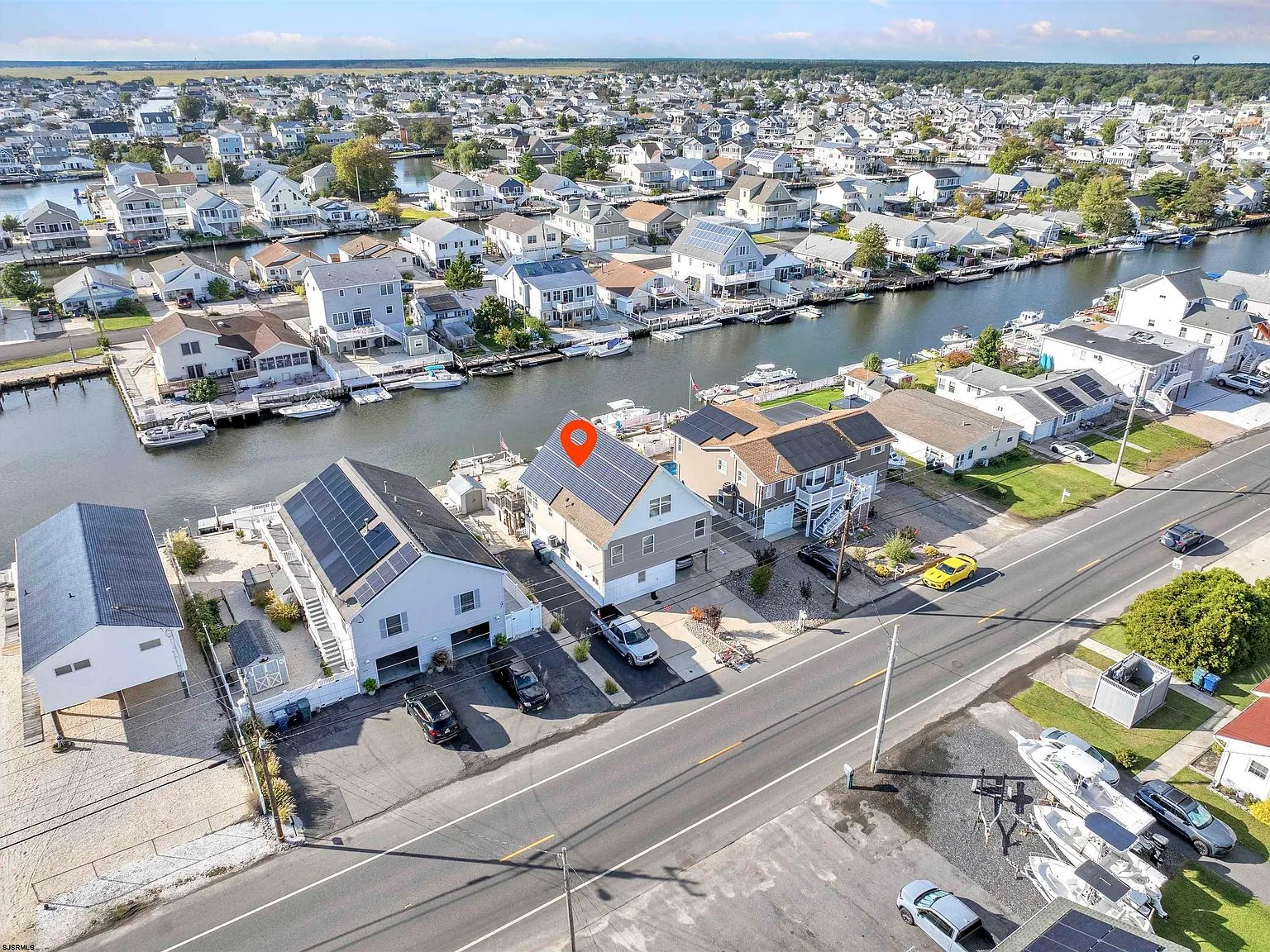
Solar on a home does two things: it lowers the electric bill through net metering, and in New Jersey it can earn the owner solar renewable energy certificates, or SRECs. When a seller tells you the solar is paid off and the SRECs are included, that second part is real money, and it is worth knowing how it works.
What an SREC actually is
An SREC is a certificate issued for every 1,000 kilowatt-hours, or one megawatt hour, of electricity a solar system produces. A production meter tracks the output, the numbers are reported to New Jersey's tracking system, and the certificates are issued to the system owner. The owner then sells them to utilities, which are required to buy and retire them to meet the state's renewable energy goals. That requirement is what gives the certificates their value.
New Jersey has changed programs over the years. Newer residential systems register under the Successor Solar Incentive, or SuSI, program, which pays a fixed rate per megawatt hour for 15 years. Older systems, and ones registered under earlier rules, can have different arrangements. The correct answer for a specific home depends on when and how its system was registered, which is exactly what you should verify with the seller and their installer.
Owned vs. leased is the first question
The most important distinction in any solar home is whether the panels are owned outright or leased. A leased system means a third party owns the equipment and you take over their agreement, with its terms and payments. An owned, paid-off system means the panels, the production, and the certificates belong to the homeowner, and they come with the house. That is the difference between an asset and a monthly bill.
Questions to ask before you offer
- Is the system owned or leased? If leased, get the full agreement and the monthly payments before you commit.
- Who gets the SRECs? Confirm in writing that the certificates transfer with the sale and how they are being sold.
- What is the production history? Ask for a year of production reports so you can estimate the actual savings and certificate income.
- How old is the equipment? Inverters have a shorter life than panels; a recently replaced inverter is a good sign.
What this means at 1072 Radio Rd
The solar system at 1072 Radio Rd is completely paid off, the inverter is only a few months old, and the seller will include their SRECs with an acceptable offer. In plain terms: the panels are an owned asset, the electric bill is lower than it would be without them, and the certificate income stays with the property after closing.
Solar details are easy to skim past in a listing, and they are worth getting right in the contract. Talk to Derek about this home and he will walk you through the solar paperwork, the SRECs, and everything else that comes with the keys.